

Key Takeaways
- Start the talk during a calm, natural moment and let your loved one keep control of the decision.
- Assisted living offers help with daily tasks, meals, transportation, and a caring team close by around the clock.
- Tour at least three communities and visit during meals or activities to feel the atmosphere.
- Talk about finances early and check savings, insurance, and home sale options.
- Set up the new space with cherished photos so it feels warm from day one.
A Warm Guide to This Big Life Change
Some small things are hard to go unnoticed. The unopened mail, the skipped meals, or the unfolded clothes piling up on the sofa. Helping a parent or spouse move into a community can feel heavy. And we at Kauhale Heritage Woods understand that you want to get it right.
The move happens best when you lead with compassion. That means involving your loved one in every choice and picking a community that feels like a second home to them.
How to Start the Conversation with Your Loved One
Moving into a community can be a touchy subject. What you say defines the conversation, but when you start that conversation also matters. Pick a calm, natural moment, maybe over coffee or a quiet meal.
Share what you’ve noticed while showing care and honesty. Talk about what you saw during your previous grocery trip with them. See it as a discussion, rather than a suggestion. Let your loved one keep control of decisions. This chapter belongs to them, and your role is to help the pages turn.
Get the Whole Family Involved
Bring siblings and a spouse together early. When everyone’s on the same page, you avoid conflicting messages and hurt feelings later. It’s common for talks like these to carry some edges. A mediator, such as a family counselor, can help keep the focus on what’s important for everyone involved.
Console an Unwilling Parent
Resistance usually stems from fear. Listen closely, then write down each worry so nothing gets lost. Stay patient through the indecision. It’s natural for someone to feel uneasy when a sudden change in lifestyle is proposed. Having peaceful, consistent conversations with your loved one can help soothe those fears about assisted living.
What Assisted Living Actually Offers
Assisted living encourages your loved one to stay independent by offering them quiet assistance with daily tasks. Think of it as support that fades into the background, always there to catch something that slips.
Trained team members offer help with everyday tasks like the following.
- Bathing, dressing, and daily medications
- Fresh meals shared with friends
- Transportation to appointments and outings
- Social activities, music, and clubs that spark joy
Caring team members stay close 24/7, but never in the way. That peace of mind lets your loved one relax and live the carefree life they deserve.
How to Choose the Right Community and Plan Costs
Seeing a community with your own eyes is how you’d know if there’s hominess in a community. Follow these steps as you compare your options.
- Tour at least three communities, so you have real choices.
- Visit during mealtime or activity sessions to feel the true energy of the day.
- Trust your gut feeling about the way the team and residents interact with you.
Pay attention to the small details. Are the residents laughing? Does the food smell enticing? When you pick the right community, these delightful moments can be a part of your loved one’s daily life as well.
Set a Budget and Payment Plan
Money is a common concern for many caregivers. Sometimes the family finances are the only thing standing between your loved one and a lifestyle they might enjoy. That’s why it’s crucial that you start the conversation early. That way you get more time to go over your options.
Look at every option together.
- Personal savings and retirement accounts
- Long-term care insurance benefits
- Proceeds from selling a home
- Veteran’s benefits, if your loved one is eligible
How to Handle the Move and Sort Belongings
Downsizing can become emotional. Saying goodbye to items you’ve known for your entire life isn’t easy. Sort your loved one’s belongings with respect and patience, and let them choose what they want to keep.
Pack the essentials first, then move to the sentimental pieces. This keeps the first night comfortable and gives more cushion for the tender decisions later on. If the packing proves to be too much, don’t be afraid to ask the community for help. Many teams connect families with trusted movers who handle senior transitions with efficiency and kindness.
Set Up a Space That Feels Like Home
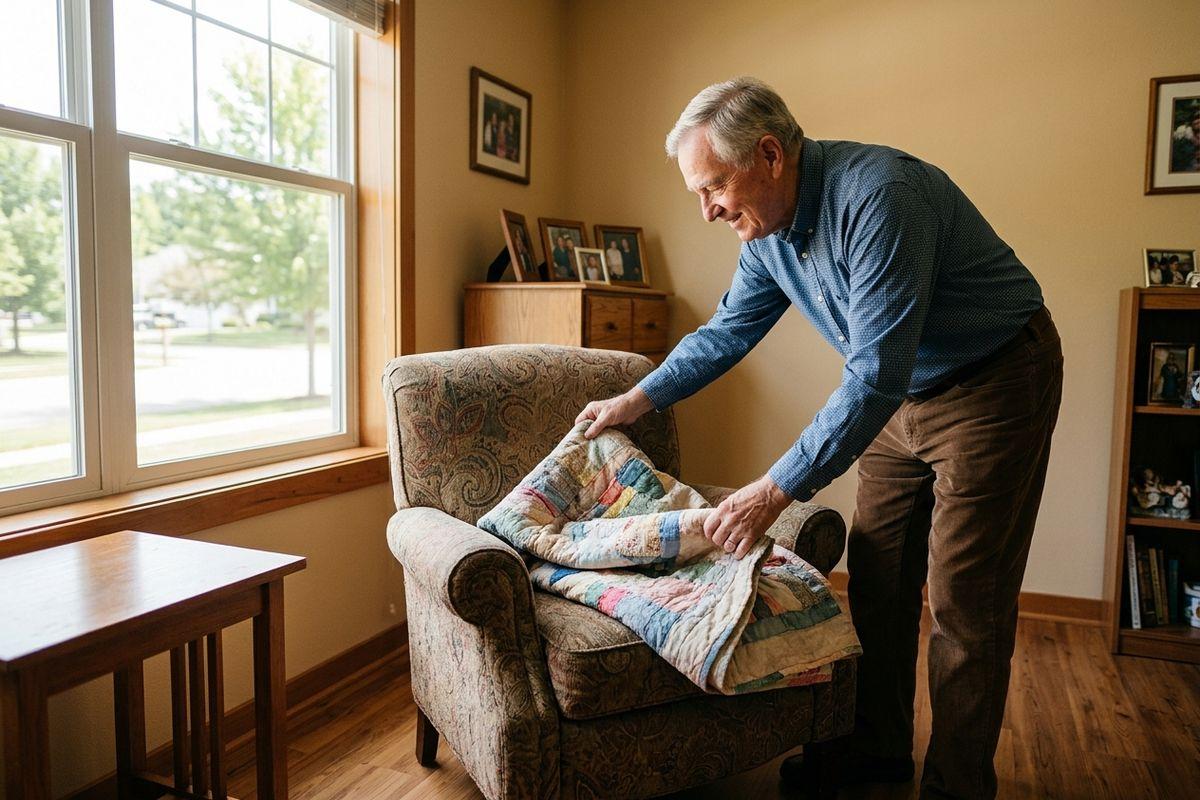
Familiar surroundings ease the transition. Try to mimic the old room layout so the furniture feels natural in its new spot. Invite your loved one to put up their cherished photos or a favorite quilt. These personal touches turn a fresh space into one that’s distinctly theirs.
How to Help Your Loved One Settle In
The first few weeks set the tone. Seize the opportunity to introduce your loved one to neighbors and the team. New faces can become familiar ones fast when there’s a catalyst present. Encourage them to join clubs and activities, and share meals with their new acquaintances. Connection can grow through small bits of life, like music, laughter, and chatter over good food.
Try to visit often and let them know before you come. Predictable visits give your loved one time to think about what they can do with you. Love doesn’t stop with a changed address.
Start This New Chapter Together
Give both of you time to adjust. This is a big change. Let patience and small wins carry you through the early days.
When you’re ready to explore a vibrant community, reach out to Kauhale Heritage Woods and schedule a tour. Our caring team is happy to answer every question with sincerity.